Okay, so check this out—I’ve been carrying plastic cold storage in my wallet for months. Wow! It’s light. It feels like a credit card. My instinct said: this is the future. Seriously? Yes. At first I was skeptical about a tiny card keeping my keys safe, but then the little things started to add up. Initially I thought paper backups and bulky devices were the only trustworthy options, but then I realized that card-format NFC wallets solve real, often ignored annoyances people have with cold storage.
Short story: somethin’ about a card makes you actually use cold storage correctly. Hmm… you keep it with your ID, or a travel card, and you actually remember it. Small change, big security win. On one hand phone-only wallets are convenient, but they expose private keys to mobile OS risks. On the other hand, clunky USB hardware wallets are secure but inconvenient when you’re out and about—though actually, wait—let me rephrase that: the balance between convenience and real-world use is the thing most solutions miss. Card wallets hit a rare sweet spot: physical form factor meets strong cryptography, without much friction.
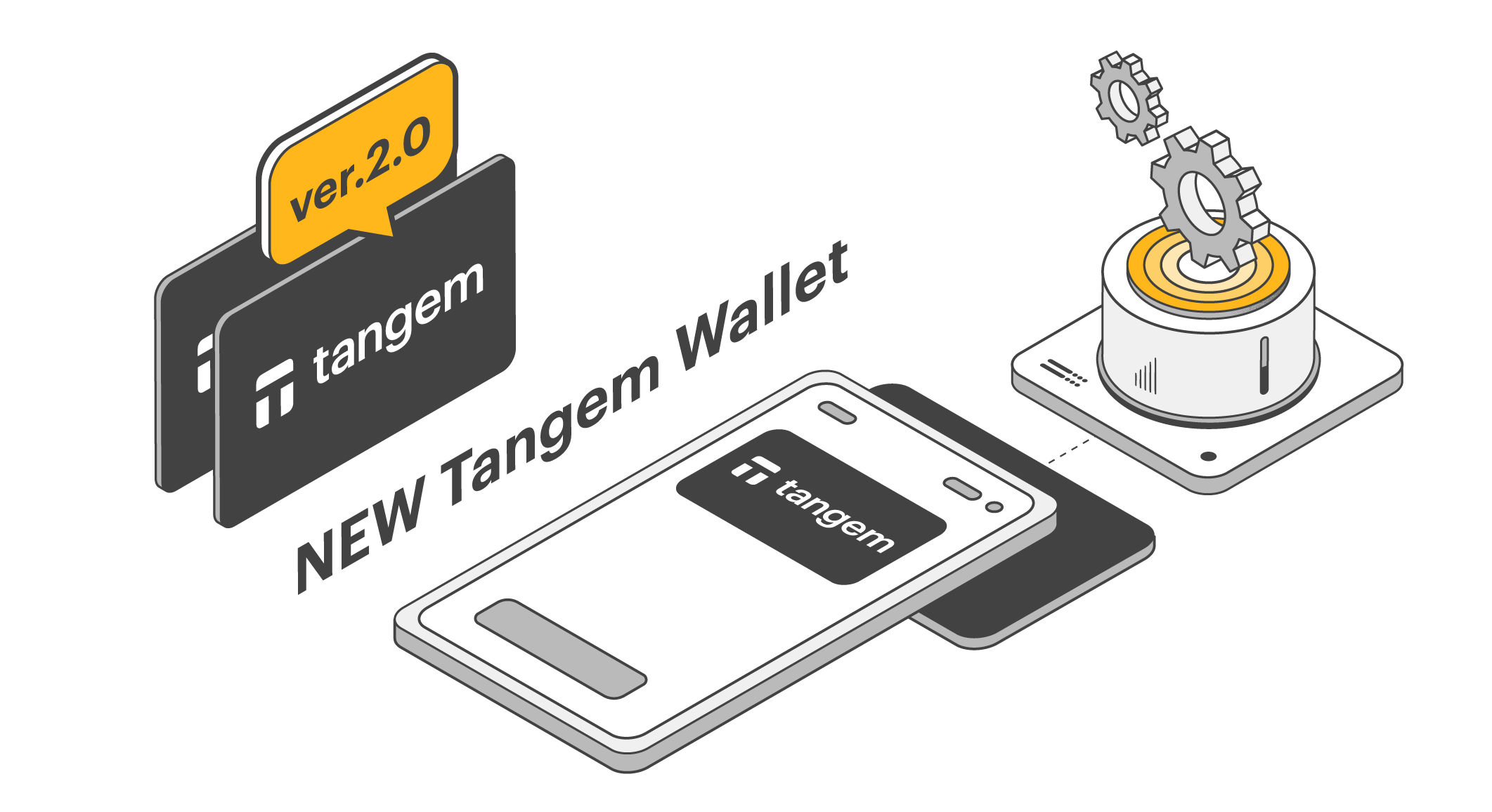
How card NFC wallets actually work (not too deep, just useful)
In plain terms: the card stores private keys in dedicated secure hardware. You tap it to an NFC-capable phone to sign a transaction. One tap. Fast. No USB cables. No drivers. No battery. My first impression the first time I tapped one was: whoa, that’s smooth. And it’s not magic. These cards use secure elements—chips built to resist tampering—and they only reveal signatures, not the keys themselves. That matters. If someone gets your phone, they can see transactions but they can’t extract the private keys from the card itself.
There are trade-offs. Cards are often single-app or limited-app by design, which reduces attack surface but limits advanced uses. If you’re a power user who runs complex multisig setups or custom firmware, you might feel constrained. I’m biased, but for most people wanting simple cold storage for Bitcoin, Ethereum, and mainstream tokens, that limitation feels like a feature. It forces safer defaults.
Here’s what bugs me about some early card designs: wallet recovery UX. Honestly, recovery phrases are painful. I had one instance where a recovery sheet got wet. Ugh. So check this out—newer card approaches pair the physical card with better on-chain recovery flows or support for splitting secrets across multiple cards. That approach reduces single-point-of-failure risk without making the process arcane.
Security anatomy — why the card stays cold
My quick take: hardware isolation + minimal attack surface = strong cold storage. Short sentence. The secure element ensures private keys never leave the chip. Medium sentence explaining why this matters: even if your phone is fully compromised, the attacker still can’t retrieve keys because the chip refuses to export them. Longer thought that ties things together and explains usability trade-offs: because cards are designed to sign only and not to act as general-purpose devices, they avoid a lot of the firmware bloat and remote-update risks that have plagued other IoT crypto gadgetry, which means the attack surface is smaller, audits are more meaningful, and the security assumptions are easier to validate.
One caveat: supply-chain risk. If someone tampers with the card before you receive it, it’s game over. So buy from reputable sources, and if you’re paranoid, check tamper-evident packaging or pick-up options. I’m not 100% sure every vendor is bulletproof, but that’s the reality—no system is perfect. Still, compared to a paper seed left under a keyboard, the card is a big step up.
Real-world convenience (stories, because numbers bore people sometimes)
I once had to sign a transaction at an airport terminal—terrible spot. My laptop was in a checked bag and the kiosk was sketchy. The card saved the day. Tap to phone. Sign. Done. The merchant couldn’t see my private key. That little convenience made the difference between a missed transaction and a smooth one. People underestimate how often convenience determines whether secure practices get used.
That said, there are steps you should still take. Always keep a secure backup of your recovery data. Multiple cards? Good idea for redundancy. A metal backup for your seed is even better if you’re serious about long-term storage. I like splitting backups across physical locations—sounds paranoid, but it’s prudent if the stash is meaningful.
Choosing a card — what to look for
Short list time. Look for: audited secure elements. Open-source or at least transparent firmware policies. Clear recovery workflows. Good supply-chain controls. Reasonable price. Bonus: an offline setup flow that doesn’t require cloud accounts. When vendors check those boxes, they’re doing the right thing. If the company is secretive about crypto practices or lacks audits, that’s a red flag.
Okay, so check this out—there’s a specific card-based wallet I’ve used and keep recommending when people ask for a no-nonsense cold-storage option. You can read more about that product and its workflow here. I’m not pushing a brand hard, just pointing to a practical example because seeing the UX in context helps people decide.
Common questions people actually ask
Is a card as secure as a traditional hardware wallet?
Short answer: often yes, for many users. Longer answer: security depends on the implementation. A well-designed card with a certified secure element and proper supply-chain practices can be as secure as a USB hardware wallet for single-key storage. For advanced multisig schemes or niche coins, check compatibility first.
What happens if I lose the card?
If you lose it, recovery is the same as with other cold wallets: restore from your seed or backup plan. That’s why you must have an offline backup stored safely. Some users store a second card in a separate safe deposit box or split the seed between two locations. It sounds dramatic, but it’s practical when the holdings are meaningful.
Can cards get wet, bent, or demagnetized?
Cards are typically reasonably robust. They don’t have batteries or magnetic strips like old credit cards, so water or bending is less catastrophic than you might think. Still, treat them like important documents. I keep mine in a protective sleeve. Also, some metal backup plates are a great companion for long-term durability.
Alright—final thought, and I’ll be blunt: if you want cold storage you’ll actually use, card-based NFC wallets are worth a hard look. They nudge behavior toward safer practices by being tiny, reliable, and unobtrusive. My gut told me they’d be gimmicky at first. Then I started using one. Now I carry one. It’s not perfect. Nothing ever is. But for everyday cold storage that people will keep using responsibly, a card is a surprisingly powerful option.
About the Author
