Whoa! So I was thinking about how wallets actually talk to dApps. This is where things get messy for most DeFi users. Initially I thought a simple UI and a clear permission modal would be enough to protect users, but then I realized that the problem is deeper: cross-chain interactions, token approvals with unlimited allowances, and cunning phishing vectors create layers of risk that a wallet must simulate and surface before you hit ‘confirm’. My instinct said: build for visibility and simulate transactions first.
Seriously? Yeah—seriously, because users often approve things they don’t understand. Something felt off about how many wallets expose unlimited approvals by default. On one hand developers want frictionless UX and on the other hand security teams keep shouting about principle of least privilege, though actually the trade-off isn’t binary and it requires thoughtful tooling like transaction simulation, approval management, and chain-aware risk scoring that considers cross-chain bridging behaviors when assessing a transaction’s potential impact. Here’s somethin’ I tell folks at meetups: simulate every critical action.
Here’s the thing. Multi-chain means different token standards, different gas abstractions, and divergent contract semantics. You can’t treat a BSC approval like an Ethereum approval and expect the same safety guarantees. Initially I thought that adding a network selector and a balance viewer would solve most user confusion, but after building and testing flows with power users I realized that simulation of exact low-level opcodes, preflight balance checks across multiple chains, and a clear ownership model for approvals are necessary to reduce costly mistakes across bridged assets. My instinct said to prioritize simulations over flashy analytics.
Wow! Simulation is not just ‘nice to have’. It lets users see what will happen at the contract level before signing anything. Because many DeFi flows involve multiple contract calls and state changes across chains, a wallet that simulates the full transaction path — including the gas estimation quirks, potential reverts under certain oracle conditions, and intermediary approvals — can convert ambiguity into actionable warnings, which in practice stops a lot of bad outcomes. I’ll be honest, this part bugs me—too many wallets skip it…
How to think about integration and risk in a multi-chain world
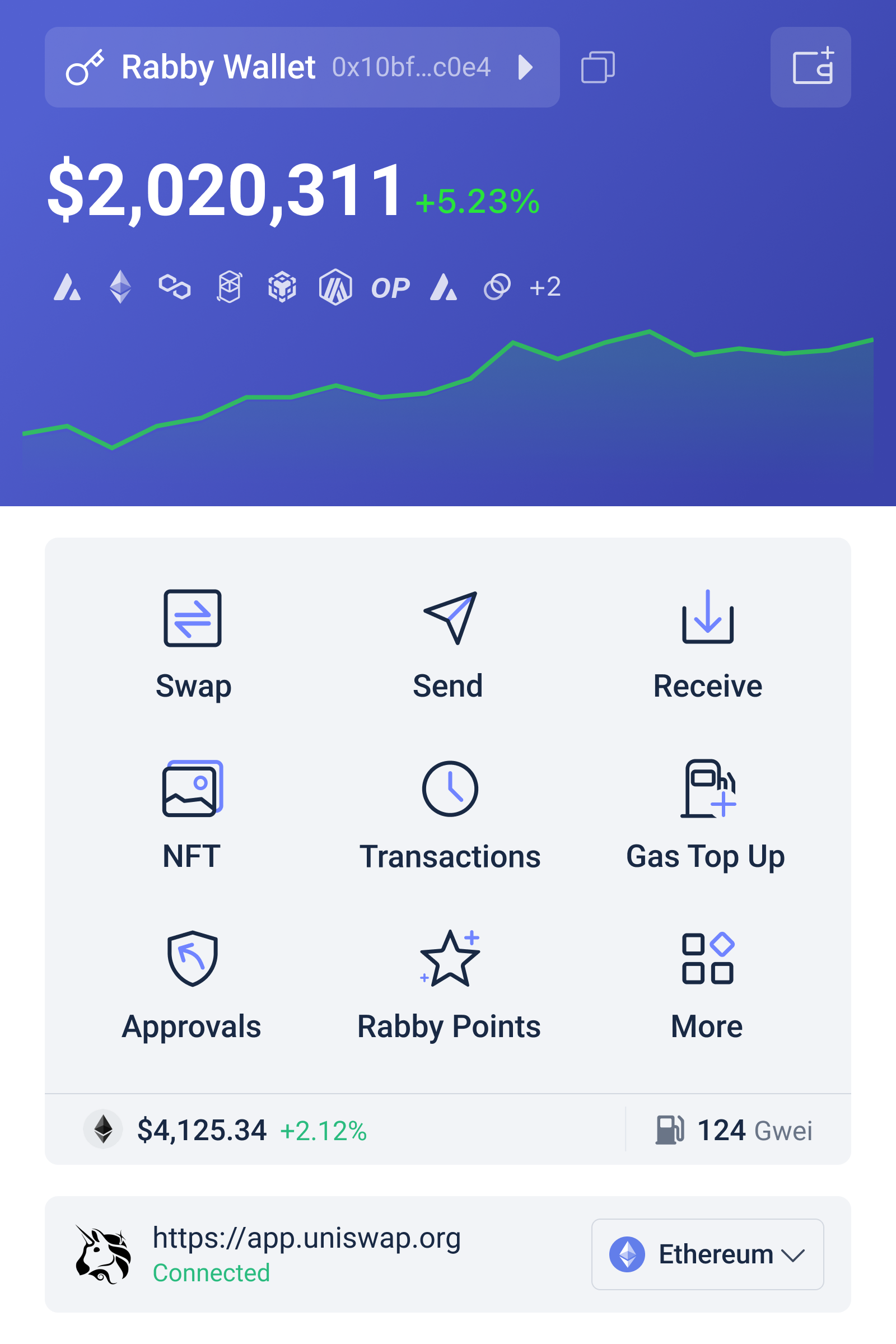
Try this. When I tested a multi-chain wallet that simulated cross-chain swaps, things felt different. I like how https://rabby-wallet.at/ surfaces the simulation and approval steps without being loud about it. Initially I thought that building heavier client-side simulations would be prohibitively slow and confusing, but the implementation shows that with smart caching, deterministic EVM execution, and clear UX metaphors you can keep latency low while still giving users a truthful preview of the on-chain effects. I’m biased, but wallets should default to denying unlimited allowances.
Seriously. Approval management deserves a spotlight. Too many interfaces hide approvals deep in settings or treat revocation as advanced. On the developer side it’s convenient to ask for broad permissions, but for real users this leads to persistent attack surfaces where a compromised contract can drain value; therefore a multi-chain wallet should make revocation and granular approvals very very important features that are easy to use. Also, show token allowance history and flag unusual spikes automatically.
Whoa. Bridges complicate risk modeling. A token that originates on one chain then gets wrapped and moved across many chains changes its provenance picture. On one hand chain hopping can be legitimate liquidity routing, though on the other hand it can hide wash trading or rug pull exits — and unless the wallet correlates bridge patterns with address reputations and liquidity movement, users get a false sense of safety from the token label alone. Which leads to a practical rule: always show origin and recent flow when simulating a bridged asset.
Hmm… Risk assessment must be contextual. Context includes token type, contract age, liquidity pools, and bridge traffic patterns. You can’t just apply a blanket risk score and assume it’s accurate for every user scenario. On one hand an obscure token with low liquidity is risky because price impact can be huge, though actually if the transaction is to a reputable contract that merely wraps assets the risk profile changes, which is why heuristics without explicit simulation can be dangerously misleading. Okay, so check this out—tools that combine heuristics with on-device simulation bridge that gap.
Okay. Building trust is more than cryptography. UX, transparent simulation, and sensible defaults create behavioral safety. Initially I thought a single security metric would suffice, but after iterating with users and seeing real mistakes I realized that layered defenses — human-readable simulations, automated heuristics, and easy recovery pathways — make the product resilient in ways that pure protocol guarantees don’t. So if you care about avoiding dumb losses, use a wallet that forces you to look before you sign.
FAQ
What exactly should a multi-chain wallet simulate?
Simulate the entire on-chain path: the exact contract calls, token transfers, gas costs on each involved chain, intermediate approvals, and the final state change. Also simulate failure modes like reverts due to slippage, oracle failures, or insufficient gas under certain networks; that way users see realistic outcomes rather than optimistic guesses.
How does approval management reduce risk?
Granular approvals limit what a contract can move and for how long, and easy revocation removes lingering attack surfaces. Show allowance history, prompt for minimal necessary permissions, and flag abnormal spikes—those patterns catch a lot of stealthy exploits early.
Won’t simulations slow down UX?
Not if they’re engineered well. Cache deterministic parts, run simulations asynchronously, and show progressive previews so the user always has something informative. The small latency trade-off is worth it when it prevents irreversible losses.
About the Author
